

The Locally Sourced Restaurant Approach Behind Prospect’s Menu in Tulsa, OK

Locally sourced can be a vague label on a menu — a single line that doesn’t say much about where ingredients actually come from. At Prospect Local Bar & Kitchen, the phrase has a specific, traceable meaning: honey used across several dishes and cocktails comes from a beehive kept on the building’s own rooftop, and the broader menu draws on regional Oklahoma ingredients rather than a national food-service supply chain. As a locally sourced restaurant Tulsa diners return to, that traceability is part of what separates Prospect from restaurants using the term loosely.
Chef Kevin Kihle has built the kitchen’s sourcing philosophy since 2018, working regional ingredients into both the weekend brunch and dinner menus rather than reserving local sourcing for a single seasonal special. The approach extends beyond the kitchen — Food & Beverage Manager Crystal Dooley’s seasonal menu planning reflects the same regional focus in how dishes and events are curated throughout the year.
Consumer demand for locally sourced food has grown steadily, with USDA data showing increased direct-to-consumer and regional food sourcing across the restaurant industry as diners place more weight on where ingredients originate.
The rooftop beehive gives Prospect a literal, on-site ingredient source most restaurants describing themselves as “locally sourced” don’t have — the honey isn’t trucked in from a regional supplier, it’s harvested from the building itself.
Chef Kevin Kihle applies the same sourcing standard across both brunch and dinner menus, rather than limiting local ingredients to a single dish or seasonal promotion.
Prospect’s Blue Dome District location keeps the restaurant connected to the same regional supply chain and seasonal rhythm that shapes menus throughout downtown Tulsa’s food scene.
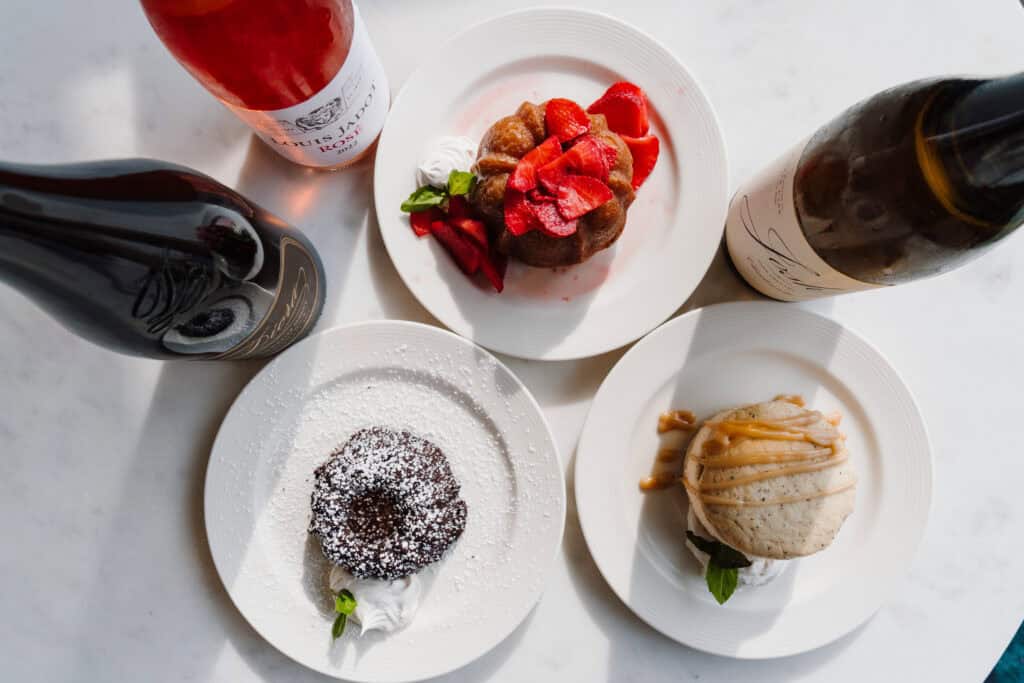
Want to taste the rooftop honey and regional ingredients for yourself? Reserve a table at Prospect and see what’s currently in season.
Frequently Asked Questions
What does “locally sourced” mean at a restaurant?
Locally sourced typically means a restaurant obtains ingredients from nearby farms, producers, or in some cases on-site sources, rather than relying primarily on national food-service distributors.
Does Prospect use local ingredients?
Yes, Prospect Local Bar & Kitchen incorporates regionally sourced ingredients across its menu, including honey harvested from a beehive kept on the restaurant’s own rooftop.
Why is locally sourced food more expensive?
Locally sourced ingredients can cost more due to smaller-scale production, seasonal availability, and shorter supply chains compared to mass-produced, nationally distributed food.
Are there farm-to-table restaurants in Tulsa?
Several Tulsa restaurants, including Prospect Local Bar & Kitchen, incorporate locally sourced ingredients into their menus, reflecting a broader regional trend toward farm-to-table style dining.
What is rooftop honey used for at Prospect?
The honey harvested from Prospect and Roof Sixty-Six’s rooftop beehive is worked into seasonal dishes and cocktails throughout the year as part of the kitchen and bar’s local sourcing approach.